There are several types of facing bricks used in construction, each offering different aesthetic and performance benefits. Facing bricks are used on visible external walls where appearance, durability and finish are important. As experienced UK facing brick suppliers, we help developers, architects and contractors source suitable brick products for projects across the country.
What is a facing brick?
A facing brick is a type of brick used on the external surfaces of a building, where appearance is important. These bricks are chosen for their colour, texture and finish, as well as their durability.
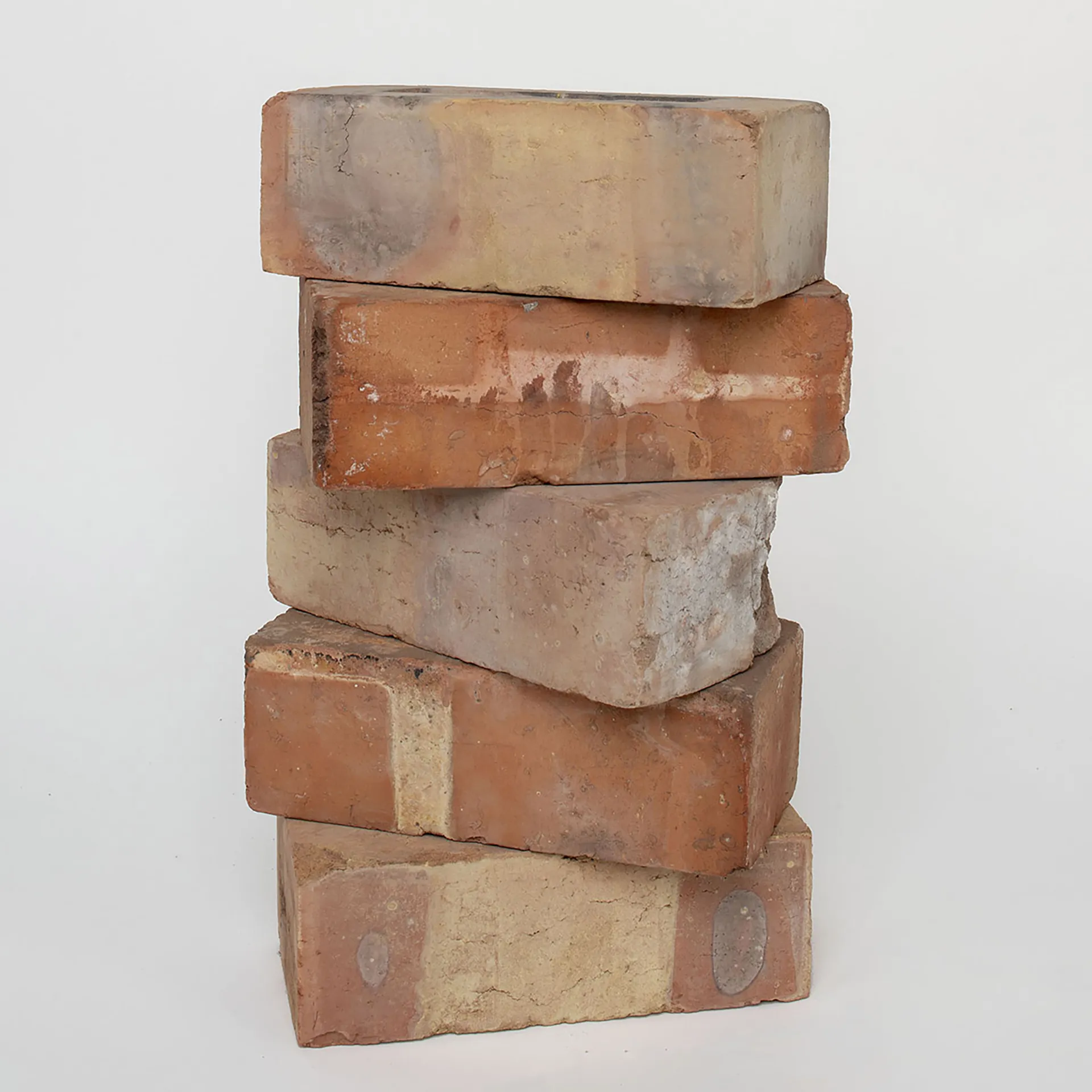
The most common options include wirecut bricks, handmade bricks and stock bricks which vary in texture, colour and application across residential and commercial projects.
Choosing the right type of facing brick for your project can be a complex decision, balancing aesthetics, performance and cost. For specification-led projects, our team can also provide brick support for developers when comparing facing brick options, finishes and availability.
Our guide explores the main types of facing bricks, the options available and how to choose the most suitable brick for your project. You can also browse our complete facing brick range to compare different styles, colours and finishes.
How to choose the right facing brick
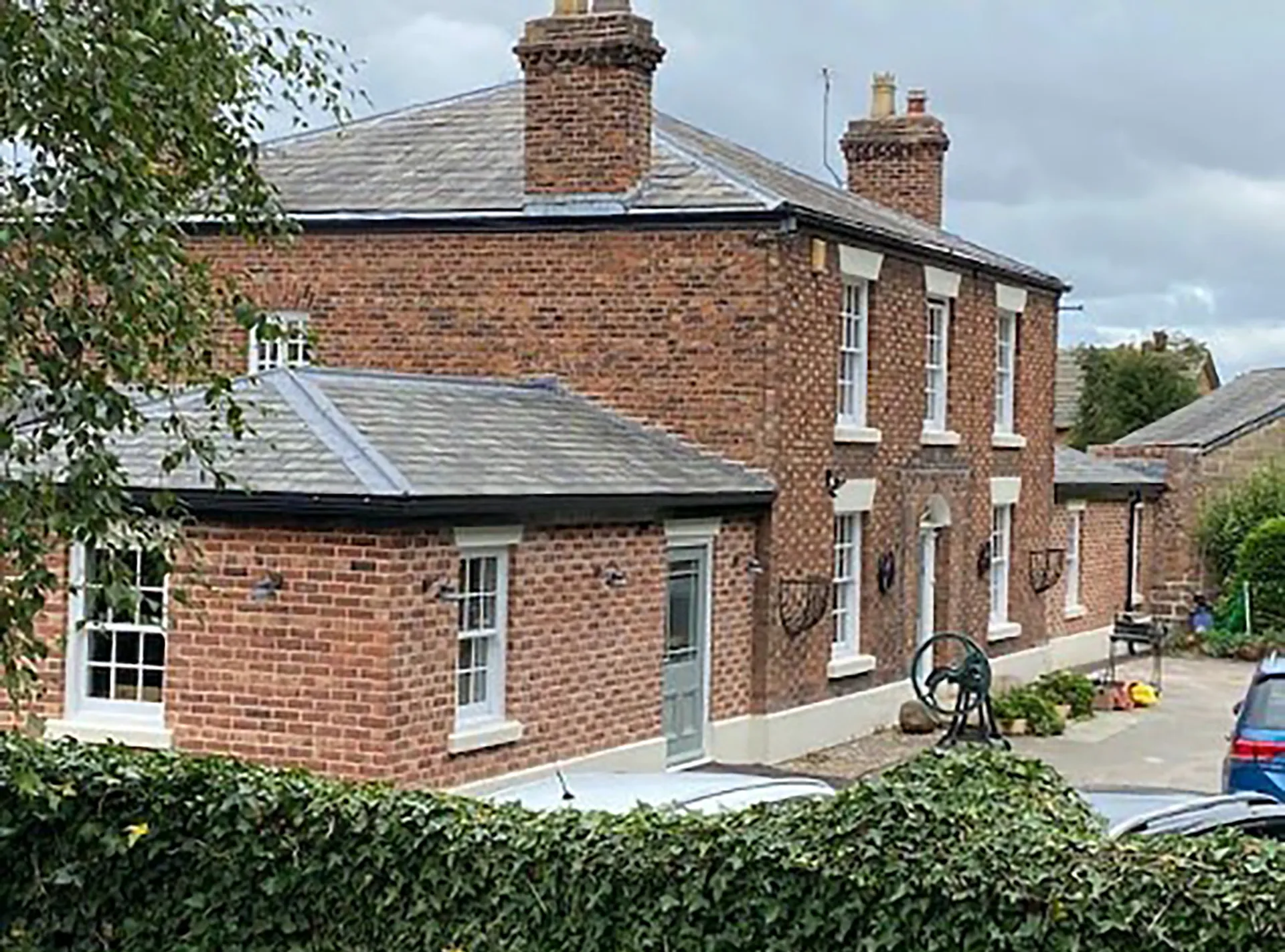
Choosing the right facing brick involves balancing appearance, durability, planning requirements and project budget. Different facing brick types can create very different architectural styles, from contemporary housing developments using uniform wirecut bricks to traditional schemes using handmade or stock bricks.
Factors such as colour, texture, size and surrounding building styles should all be considered during the specification process. Developers, architects and contractors often compare multiple finishes before selecting the most suitable option for a project.
The Brick Specialists supplies a wide range of facing bricks, including handmade, wirecut, stock, waterstruck and glazed options to suit a variety of residential and commercial developments.
Wirecut bricks
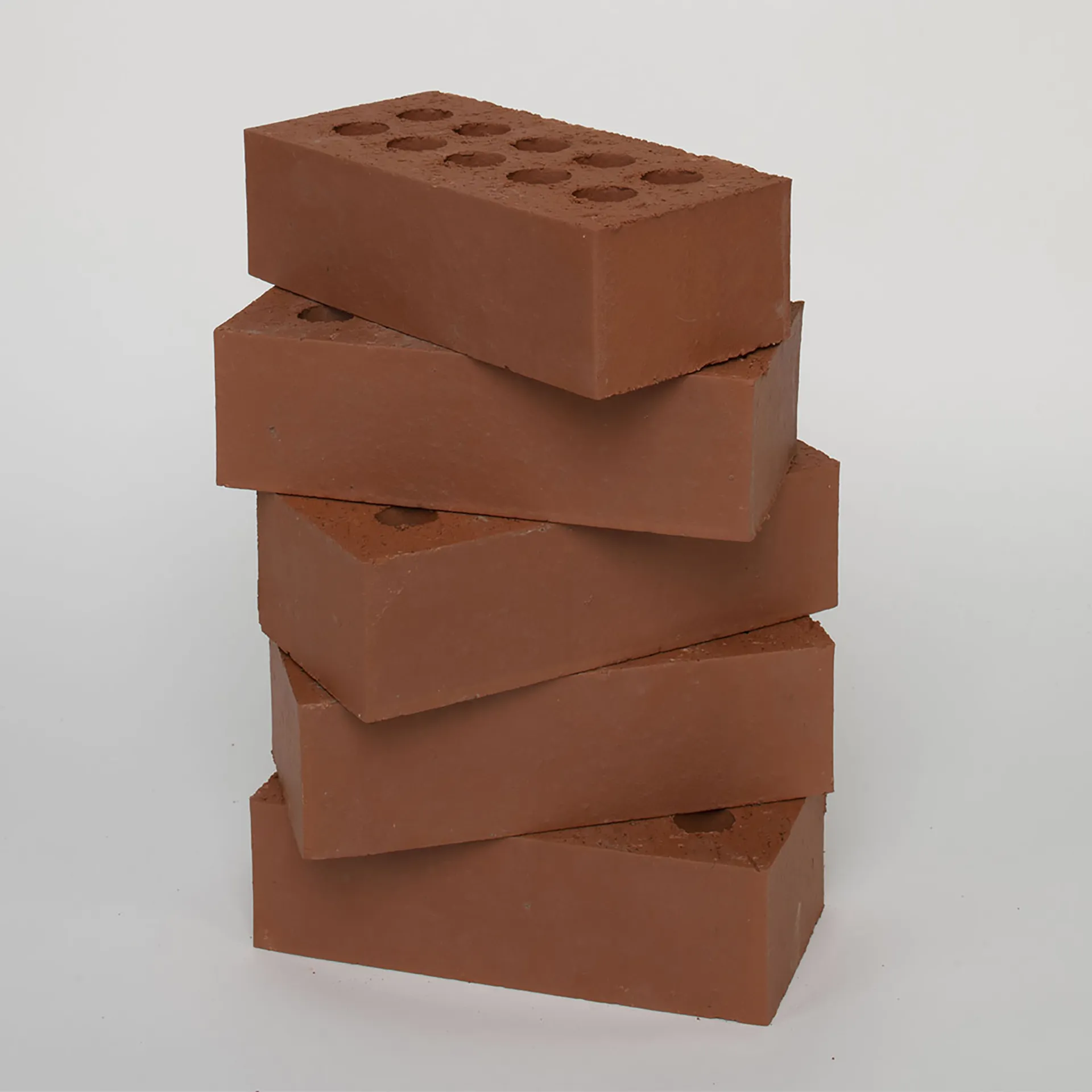
Wirecut facing bricks are widely used across the UK for modern housing developments due to their consistent shape and clean finish.
The wirecut method is the most popular method of brick production. With it, you can manufacture a high volume of bricks quickly. Sometimes, up to around 20,000 bricks an hour!
The clay is driven through an extrusion head to form a long column, which is then cut into smaller sections. These are further cut into bricks of the desired length using wire, which is where the name originates. One distinctive characteristic of a wirecut brick is that they tend to have holes running through the bricks.
These bricks require less energy for drying and firing and are also lighter and easier to handle. This manufacturing process produces hard, dense bricks with a more consistent size and shape, sharper corners and a more contemporary appearance.
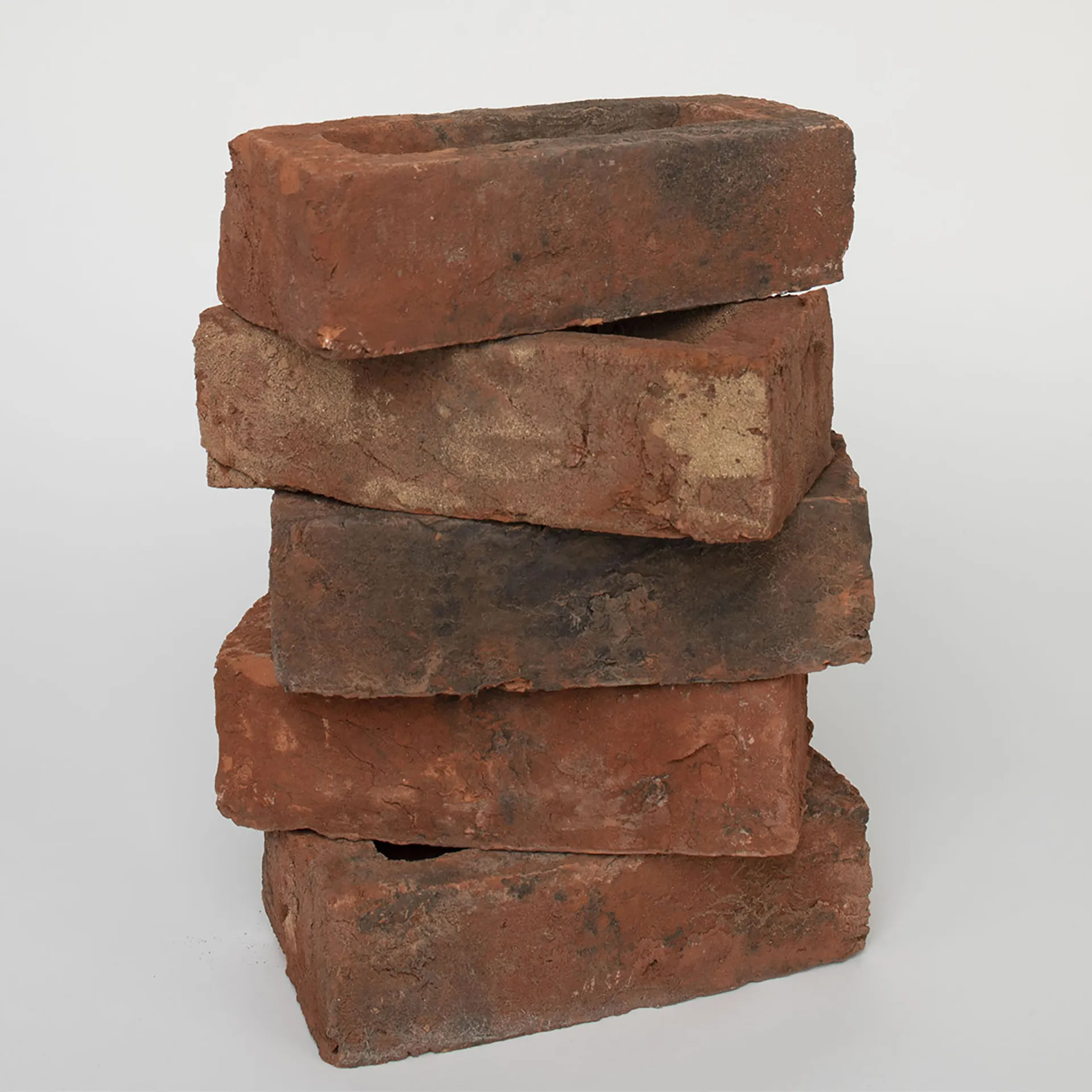
Wirecut bricks can vary drastically in appearance. Our pressed pre-war common bricks display deep reds, oranges and the distinguished dark ‘overburns’ from the firing process. This manufacturing technique leads to a naturally weathered texture and appearance of burnt clay brick. They are hydraulically pressed to remove any shape imperfections and a great choice for developments in keeping within the local region.