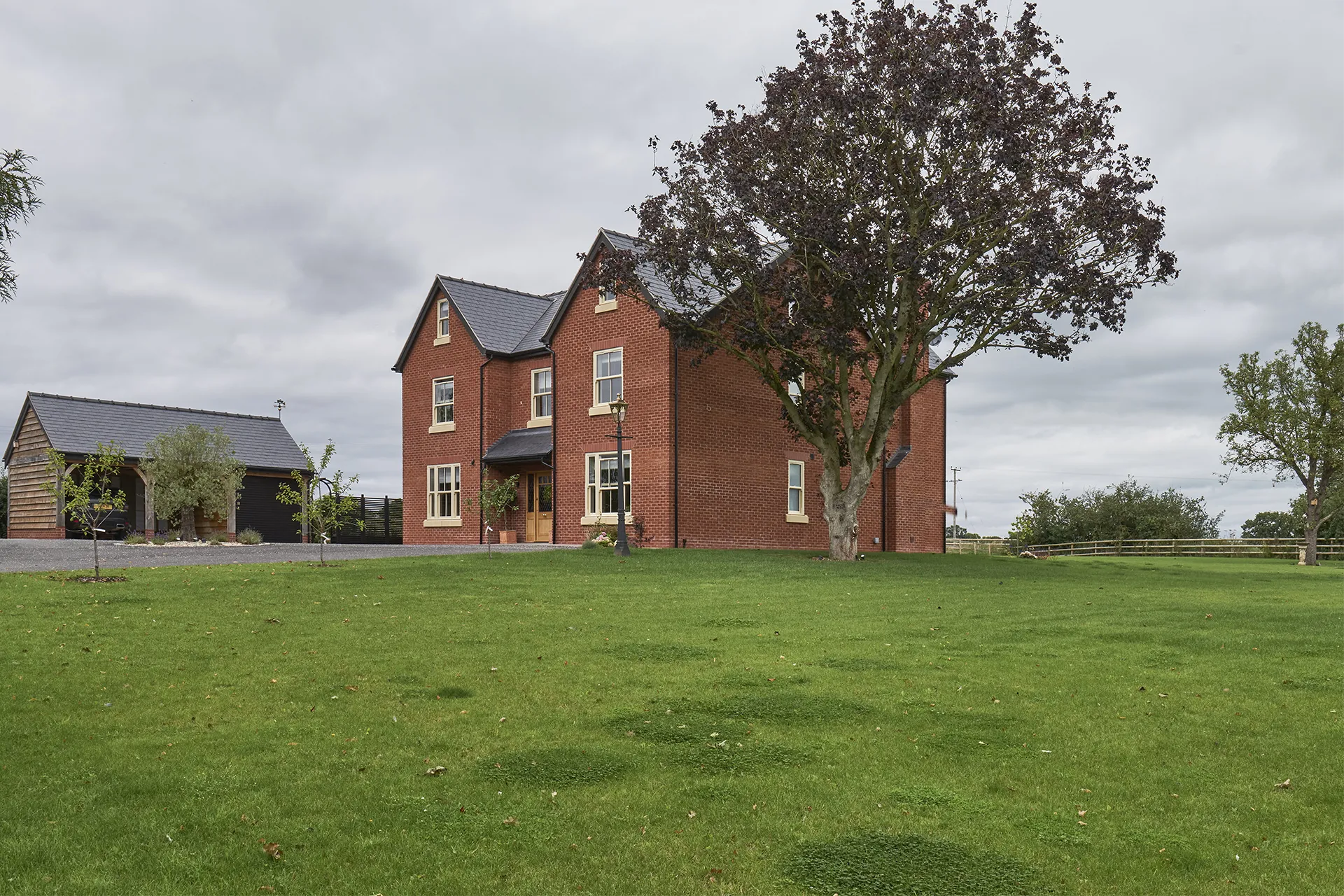
Why UK Brick imports are rising amid ongoing supply challenges

Published

09.03.2022

Sector

Contractor

Topic

Latest news

UK brick imports are rising sharply as construction firms across the UK struggle to secure reliable brick supplies. With domestic manufacturers unable to keep pace with sustained demand, the industry has become increasingly dependent on imported bricks to maintain housing and infrastructure delivery.

Domestic brick production disruption

The UK’s reliance on imported bricks is not new. Domestic brick production fell significantly following the 2008
financial crisis, with many manufacturing plants mothballed or closed permanently. When the housing market recovered
in 2014–2015, production capacity had not been restored, leaving the industry vulnerable to supply shortages.

By 2019, the UK had become the largest importer of bricks globally, importing over $33 million worth of bricks from
countries including the Netherlands, Spain, France, Denmark, Portugal and Turkey.

Why the UK became dependent on brick imports

Government data released in June 2021 showed brick inventories falling to their lowest level in more than 20 years. Since then, demand has continued to outstrip domestic production capacity.

In 2022 alone, the UK imported bricks to an estimated value of £135.8 million. According to Construction News UK brick and roof tile manufacturing capacity has been unable to meet demand and is unlikely to do so in the short term.

A perfect storm of supply chain challenges

Covid-19 and logistics disruption

The Covid-19 pandemic caused widespread disruption across the construction sector. Temporary site closures, shipping delays at ports, and global freight bottlenecks significantly impacted the availability of imported construction
materials, including bricks.

Rising energy costs and reduced European production

Increasing inflation and surging energy prices have forced several brick manufacturing plants in Spain, Italy and Portugal to reduce output. Ongoing volatility in European gas markets, exacerbated by geopolitical instability, has further restricted production.

Labour and skills shortages

Labour shortages have compounded these challenges. A reduced pool of skilled workers, partly due to changes in EU labour availability, has affected manufacturing, logistics and on-site construction capacity across the UK.
“In terms of skills shortages, in some hotspots of activity where house building, refurbishment and infrastructure is buoyant, there have been shortages of skilled (and even unskilled) construction labour since Spring 2021. This has been exacerbated by the fall in EU labour. Most construction trades are not on the government’s Shortage Occupation List.”

Noble Francis, of the Construction Products Association

What this means for UK construction

Industry bodies including the National Federation of Builders (NFB) and the House Builders Association (HBA) have warned that material shortages continue to obstruct the government’s house-building ambitions. Both organisations have called for greater flexibility in the materials permitted for construction projects.

As supply pressures persist, builders and developers are increasingly focused on sourcing suitable alternatives and understanding the performance, durability and availability of different brick types.

Building a more resilient brick supply chain

Looking ahead, three new brick manufacturing plants are expected to come online in the UK between 2023 and 2024.
Once operational, their combined output is forecast to reach approximately 150 million bricks per year.

However, even with increased domestic production, the UK is likely to remain reliant on imported bricks in the medium term. Imports from the EU, as well as from regions such as India, Pakistan and the Asia-Pacific, will continue to play a crucial role in supporting construction activity.

UK brick supply outlook: 2025 update

While new production capacity offers some optimism, the UK brick supply chain remains sensitive to energy costs, labour availability and global market conditions. Continued demand for housing and infrastructure means that imported bricks are expected to remain an important part of the UK construction landscape in 2025 and beyond.

The Brick Specialists
Privacy notice

We use cookies to give you the best possible experience on our website. Cookie information is stored in your browser and performs functions, such as recognising repeat visits to our website, and helping our team to understand which sections of our website users find most useful.

Click here to visit the privacy notice.